

Searching for affordable casual wear that matches your eco-conscious mindset can feel frustrating when myths and confusion cloud what sustainable fashion really means. This matters more than ever as fast fashion fuels waste, pollution, and exploitation across communities worldwide. Here you will uncover the facts behind sustainable fashion, clarify popular misconceptions, and discover practical ways to build a stylish wardrobe that supports both people and the planet.
Table of Contents
- Defining Sustainable Fashion And Common Myths
- Major Environmental Impacts Of Fast Fashion
- Ethical Sourcing And Eco-Friendly Materials
- Social Responsibility And Fair Labor Practices
- Smart Shopping: Choosing Sustainable Apparel
Key Takeaways
| Point | Details |
|---|---|
| Understanding Sustainable Fashion | It focuses on minimizing environmental impact and promoting ethical labor practices. The goal is to make mindful choices that align with individual values. |
| Busting Myths | Common misconceptions about sustainable fashion, such as expense and style, can deter engagement. Recognizing the truth can motivate proactive choices. |
| Smart Shopping Strategies | Opt for second-hand items and sustainable brands to reduce waste and support ethical practices. Small changes in shopping habits can lead to bigger impacts. |
| Importance of Transparency | Brands should provide clear information about sourcing and labor practices, empowering consumers to make informed decisions. Transparency fosters accountability in the fashion industry. |
Defining Sustainable Fashion and Common Myths
Sustainable fashion doesn’t have a single, universal definition. The industry remains complex, evolving, and dependent on context, making one-size-fits-all explanations nearly impossible.
At its core, sustainable fashion addresses reducing negative impacts on both people and the planet. This includes addressing material environmental effects—like water usage and chemical pollution—alongside non-material social aspects such as worker treatment and community health. Think of it as a social-ecological systems approach rather than a checklist.
What Sustainable Fashion Actually Is
Sustainable fashion encompasses several practical approaches:
- Buying second-hand or vintage clothing that extends garment lifespans
- Choosing pieces made with eco-friendly materials and ethical labor practices
- Supporting brands that prioritize transparency about their supply chains
- Reducing overall consumption through mindful, intentional purchases
- Upcycling existing clothes instead of always buying new
These actions work together to minimize waste, conserve resources, and support fair treatment of workers across the fashion industry.
Busting the Biggest Myths
Misunderstandings about sustainable fashion often prevent young adults from engaging with it. Here are the myths holding you back—and the truth behind them.
Myth 1: Sustainable Fashion Is Expensive
This misconception stops people before they start. The reality? Sustainable fashion includes affordable options like second-hand and upcycled clothing that cost far less than new retail prices. Thrifting often delivers better quality pieces at fraction of the cost.
Myth 2: Sustainable Clothes Look Boring or Dated
Wrong. You don’t sacrifice style for sustainability. Vintage and second-hand pieces often feature unique designs you won’t find in mass-produced collections. Modern sustainable brands create stylish, trendy clothing that happens to be made responsibly.
Myth 3: Individual Choices Don’t Matter
Small changes in consumer behavior absolutely create impact. When you thrift instead of buying new, you reduce demand for fast fashion. When you choose mindful shopping, you signal market demand for ethical options. These actions accumulate across millions of young consumers.
Myth 4: Sustainable Fashion Is Too Complicated
You don’t need to become an expert overnight. Starting simple—like buying one second-hand item instead of new—counts. Building awareness gradually makes sustainable choices feel natural, not overwhelming.
Understanding sustainable fashion myths unlocks accessibility and informed decision-making for all consumers.
The key takeaway: sustainable fashion isn’t a set of rigid rules. It’s a direction you move toward through choices that feel authentic to your values and budget.
Pro tip: Start by replacing just one shopping trip per month with thrifting. This single habit builds momentum without requiring dramatic lifestyle changes, making sustainable fashion feel achievable and sustainable for you long-term.
Major Environmental Impacts of Fast Fashion
Fast fashion’s environmental damage runs deeper than most people realize. The industry produces clothing at breakneck speed, creating a cycle of overproduction, waste, and pollution that affects ecosystems worldwide.
The Carbon and Water Crisis
The numbers are staggering. Fast fashion generates up to 8% of global greenhouse gas emissions while consuming massive quantities of water. A single cotton t-shirt requires roughly 2,700 liters of water to produce—enough drinking water for one person for 2.5 years.
Water pollution compounds the problem. The industry accounts for 20% of industrial water pollution from harmful chemical dyes and treatments. These chemicals contaminate rivers, soil, and drinking water sources, affecting millions of people in textile-producing regions.
Textile Waste and Landfill Overflow
Fast fashion creates an overwhelming waste problem. Brands produce clothing designed to last one season, not years. When these items wear out or fall out of style, they end up in landfills or incinerators.
The scale of textile waste includes:
- Billions of garments discarded annually worldwide
- Mountains of fabric in developing countries where production happens
- Microplastics from synthetic fabrics contaminating oceans and soil
- Decades of decomposition time for non-biodegradable materials
This waste represents wasted resources, wasted money, and wasted potential. Clothes that could last years are thrown away after months.
Chemical Pollution and Resource Depletion
Large-scale water consumption and chemical pollution intensify fast fashion’s environmental footprint. Textile dyeing and finishing involves toxic substances that poison ecosystems. Factory runoff turns rivers different colors and kills aquatic life.
Beyond chemicals, fast fashion strips natural resources. Cotton farming depletes soil quality and requires pesticides that harm biodiversity. Synthetic fibers depend on petroleum extraction. Trees get cleared for cotton plantations.
Fast fashion’s environmental impacts require urgent transformation through policies, consumer awareness, and innovative practices like recycling and resale markets.
Young adults hold significant power here. When you choose differently, you shift what the industry produces. Every sustainable choice you make signals demand for better practices.

Pro tip: Before buying new clothes, calculate the true cost: one new fast-fashion item equals roughly 2,700 liters of water, chemical pollution, and landfill waste—making thrifting or swapping clothes with friends dramatically more environmentally responsible.
Ethical Sourcing and Eco-Friendly Materials
Where clothes come from matters as much as how they’re made. Ethical sourcing and eco-friendly materials form the foundation of truly sustainable fashion, connecting worker welfare to environmental protection.
Understanding Ethical Sourcing
Ethical sourcing means acquiring clothing in ways that protect people and the planet. This goes beyond just paying workers fairly—it means ensuring safe conditions, preventing child labor, and respecting human rights throughout the supply chain.
When you buy from brands practicing ethical sourcing:
- Workers earn fair wages that support their families
- Factory conditions meet safety and health standards
- Communities benefit from responsible business practices
- Supply chains operate with transparency and accountability
Think of ethical sourcing as a promise. Brands that make this promise allow independent audits of their factories. They publish their supply chain information. They take responsibility when problems arise.
The Power of Eco-Friendly Materials
Material choice determines a garment’s environmental footprint. Materials with low environmental footprints and minimal social harm offer genuine alternatives to conventional fabrics.
Common eco-friendly options include:
- Organic cotton grown without synthetic pesticides
- Hemp requiring minimal water and no chemical inputs
- Linen from flax plants, biodegradable and durable
- Recycled polyester made from plastic bottles and old textiles
- Tencel produced from sustainably managed forests
- Peace silk avoiding harm to silkworms
These materials perform as well as conventional fabrics while reducing environmental damage during production.
Here’s a comparison of common eco-friendly materials and their unique benefits:
| Material | Environmental Benefit | Durability/Comfort Feature |
|---|---|---|
| Organic cotton | Reduces pesticide use, less water | Soft, breathable for daily wear |
| Recycled polyester | Diverts plastic waste from landfills | Strong, moisture-wicking properties |
| Hemp | Needs little water, improves soil | Naturally antimicrobial, long-lasting |
| Linen (flax) | Biodegradable, low-impact crop | Lightweight, cool in hot climates |
| Tencel (lyocell) | Made from sustainably sourced wood | Silky texture, gentle on skin |
Supply Chain Transparency
Sustainable supply chain management integrates transparency and reduces ecological footprints throughout procurement and production. When brands share information about where and how clothes get made, you can make informed choices.
Transparency reveals:
- Which factories produce your clothes
- How materials are sourced and processed
- What certifications verify their claims
- Whether labor practices meet international standards
Brands avoiding transparency often hide problems. Companies confident in their practices share details openly.
Ethical sourcing and sustainable material selection foster environmental preservation, resource efficiency, and corporate responsibility necessary for industry transformation.
Young adults increasingly demand this accountability. When you choose brands practicing ethical sourcing, you reward responsible business and punish exploitation. Your wallet becomes your voice.
Pro tip: Look for certifications like Fair Trade, GOTS (Global Organic Textile Standard), or B Corp certification—these third-party verifications indicate genuine ethical sourcing, not just marketing claims.
Social Responsibility and Fair Labor Practices
Behind every affordable shirt is a person. Social responsibility in fashion means ensuring the people making your clothes earn fair wages, work in safe conditions, and maintain their dignity.
The Reality of Fast Fashion Labor
Fast fashion’s low prices come at a human cost. Factory workers often earn less than a living wage, work 14-hour days in unsafe conditions, and face restricted rights. Many factories operate in countries with weak labor protections, making exploitation easier.
Common labor violations include:
- Wages too low to meet basic needs
- No access to healthcare or safety equipment
- Excessive overtime without extra pay
- Retaliation against workers seeking better conditions
- Lack of freedom to unionize or organize
These aren’t rare exceptions. They’re systematic problems affecting millions of garment workers globally, predominantly women in developing countries.
Understanding Fair Labor Standards
Respect for internationally recognized labor rights ensures decent work for all workers, eliminating forced labor, child labor, and discrimination. Fair labor practices create safe, respectful workplaces where people can support themselves and their families.
Key fair labor principles include:
- Living wages that cover basic needs
- Safe working conditions with proper equipment
- Reasonable working hours (no forced overtime)
- Freedom of association and collective bargaining
- No child labor or forced labor
- Equal treatment regardless of gender or background
Brands committed to fair labor don’t just follow minimum legal requirements. They go further, auditing factories regularly and addressing problems immediately.
Accountability and Transparency
Companies must hold themselves accountable for labor standards compliance through transparent supply chains and independent verification. When brands hide factory locations or resist inspections, that’s a red flag.
Transparency indicators include:
- Publishing factory lists publicly
- Welcoming independent audits
- Responding to labor violation reports
- Making corrections when problems arise
- Engaging with worker advocacy groups
You have power here. When you choose brands practicing fair labor, you reward ethical business. When you avoid brands with poor records, you create financial incentive for change.
Fair labor practices require collective action from brands, governments, civil society, and consumers to safeguard workers’ rights and dignity worldwide.
Your purchase decisions matter. Every sustainable choice signals demand for responsible manufacturing.
Pro tip: Research brands before buying by checking Fair Labor Association (FLA) certifications, reading labor violation reports on advocacy websites, and contacting brands directly about their labor practices—transparency is a sign of genuine commitment.
Smart Shopping: Choosing Sustainable Apparel
Smart shopping means making intentional choices that align with your values. When you understand what sustainable means and why it matters, buying becomes a form of activism.
Assessing Your Motivations
Before you shop, get clear on why sustainability matters to you. Personal norms and environmental awareness significantly influence purchasing decisions, shaping whether you stick with sustainable choices or revert to convenience.
Ask yourself:
- Do I want to reduce my environmental impact?
- Do I care about fair treatment of workers?
- Am I concerned about chemical pollution?
- Do I want clothes that last longer?
- Can I afford premium sustainable brands?
Your honest answers guide which strategies work best for you. Not everyone has the same priorities or budget.
Practical Shopping Strategies
Sustainable shopping doesn’t require perfection. Small, consistent choices compound over time and create real impact.
Effective strategies include:
- Buy second-hand or vintage clothing first
- Choose durable pieces you’ll wear repeatedly
- Support slow fashion brands aligned with your values
- Read labels for material composition and origin
- Research brand transparency and labor practices
- Invest in quality over quantity
- Buy only what you genuinely need
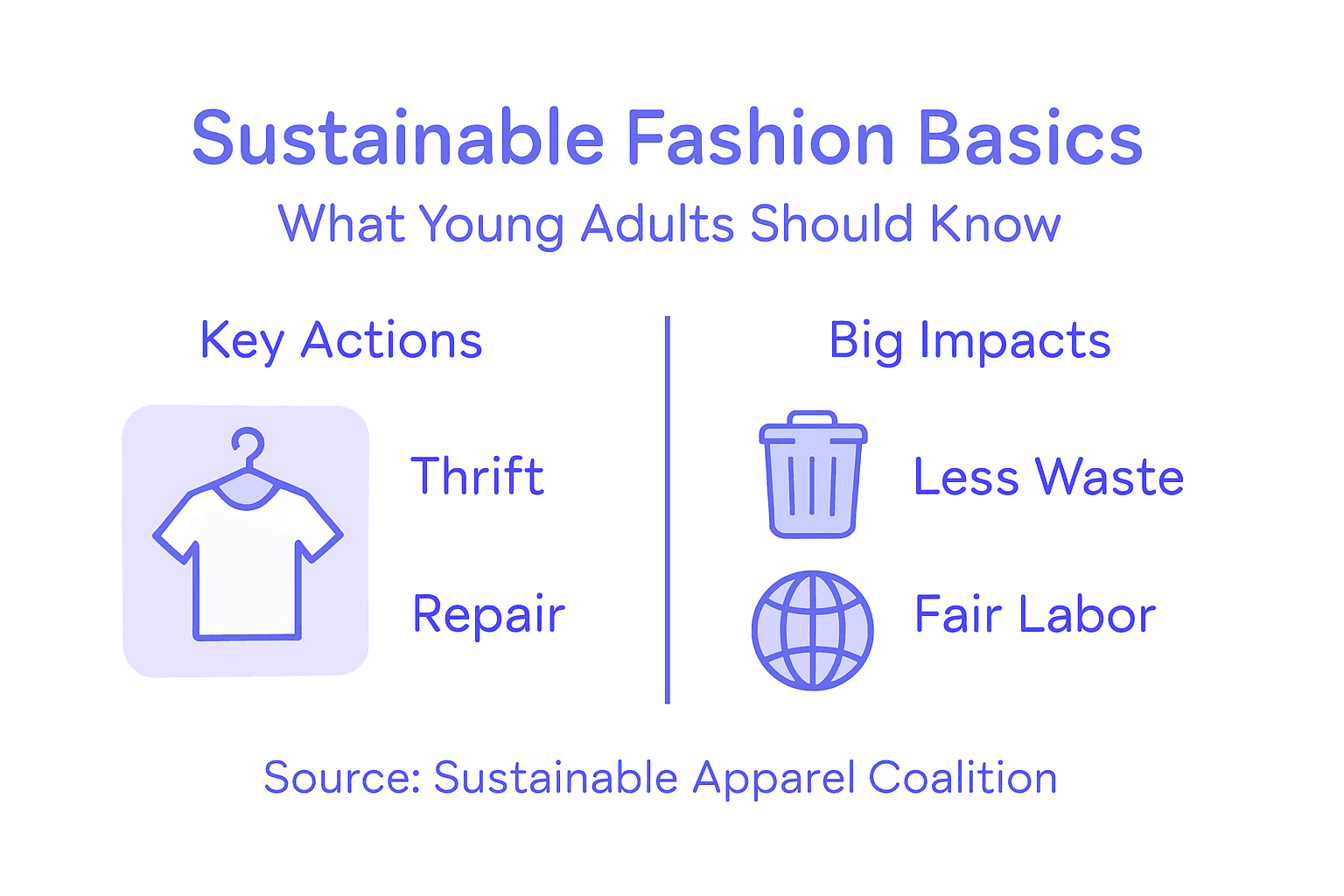
Thrifting remains the most accessible entry point. It costs less, reduces waste immediately, and offers unique pieces.
This table summarizes how sustainable shopping strategies create positive social and environmental effects:
| Strategy | Environmental Impact | Social Responsibility Effect |
|---|---|---|
| Buying second-hand | Reduces textile waste in landfills | Often supports local communities |
| Choosing durable pieces | Conserves resources, lowers emissions | Promotes fair wages through quality |
| Supporting transparent brands | Encourages eco-friendly production | Incentivizes safe, ethical labor |
| Selecting verified materials | Minimizes harmful chemical pollution | Upholds fair, traceable sourcing |
Making Informed Decisions
When shopping, slow down and think critically. Fast decisions often lead to impulsive purchases you’ll regret.
Before buying, evaluate:
- Will you actually wear this multiple times?
- Does it fit your current wardrobe?
- Is the price justified by quality and longevity?
- Can you verify the brand’s sustainability claims?
- Does the material align with your values?
Legit sustainable brands provide transparent information readily. They explain their materials, labor practices, and environmental standards without defensiveness.
Building Your Sustainable Wardrobe
You don’t overhaul your entire closet overnight. Build gradually by replacing items intentionally as they wear out. Choose timeless styles over trendy pieces that expire quickly.
Focus on basics first—t-shirts, jeans, neutral tops—that work with multiple outfits. These workhorses provide value and longevity.
Sustainable consumer behavior involves understanding your motivations and adopting strategies that reduce environmental impacts while supporting social responsibility.
Your shopping habits shape what the industry produces. Demand drives change faster than any policy.
Pro tip: Before purchasing, wait 48 hours and ask yourself if you still want the item—this simple pause eliminates impulse buys and ensures you invest only in pieces you genuinely love and will wear repeatedly.
Step Into Sustainable Style Without Compromise
The article highlights how young adults want to make mindful choices but face challenges like finding affordable sustainable fashion that fits their style and budget. Many feel overwhelmed by the complexity of ethical sourcing and fair labor practices while still craving trendy, everyday apparel that expresses their personality. This is where your journey toward conscious consumerism can begin with ease and confidence.
At LOT27, we understand your desire for apparel that reflects your values and fashion sense. Our collections emphasize casual, stylish pieces like T-shirts, hoodies, and denim jeans that fit perfectly into your daily life. Choosing thoughtfully made, versatile clothing helps you reduce environmental impact while supporting good labor standards without sacrificing style or breaking the bank.
Explore our featured collections curated to make sustainable shopping simple and accessible. Start reshaping your wardrobe today with a few intentional pieces that speak to your values and elevate your everyday look.
Take action now and transform your closet into a statement of sustainability and style.

Discover how effortless it is to embrace sustainable fashion at LOT27. Shop smart, choose meaningful apparel, and make a difference with every purchase. Visit us today and start your sustainable fashion journey with confidence.
Frequently Asked Questions
What is sustainable fashion?
Sustainable fashion refers to clothing design, manufacturing, and consumption that prioritizes reducing environmental and social impacts. It encompasses practices like buying second-hand, using eco-friendly materials, and ensuring fair labor conditions.
Why is sustainable fashion important for young adults?
Sustainable fashion is vital for young adults as it directly addresses environmental issues associated with fast fashion, such as pollution and resource depletion, while promoting ethical labor practices. Making sustainable choices empowers consumers to drive industry change.
How can young adults make sustainable fashion choices?
Young adults can make sustainable choices by thrifting, purchasing high-quality durable items, supporting transparent brands, and opting for eco-friendly materials. Even small changes, like choosing second-hand over new, contribute to reducing waste and promoting ethical practices.
What are the myths surrounding sustainable fashion?
Common myths about sustainable fashion include beliefs that it is too expensive, that it sacrifices style, and that individual actions do not make a difference. In reality, sustainable fashion includes affordable options, stylish designs, and when individuals make mindful choices, they collectively signal demand for better practices.