

Scrolling through your favorite social feeds, you can spot new fashion trends popping up almost overnight. For young shoppers, these shifts aren’t just about new clothes. They’re how you share your story, connect with global style movements, and express yourself. Fashion trends carry influence from social media, cultural shifts, and technology, creating a vibrant world of affordable casual wear. Fashion trends shape identity and inspire creativity, especially within a digitally connected community.
Table of Contents
- Defining Fashion Trends and Their Influence
- How Trends Emerge and Spread Globally
- Role of Media and Influencers in Trends
- Trends Versus Personal Style Choices
- Risks of Fast Fashion and Trend Chasing
Key Takeaways
| Point | Details |
|---|---|
| Fashion Trends Reflect Sociocultural Dynamics | Fashion trends are complex expressions of social values, technological innovations, and cultural exchanges that actively mirror individual creativity and societal shifts. |
| Modern Influence of Media and Consumers | Digital platforms and influencers have revolutionized trend creation, empowering consumers to become active participants rather than passive recipients of fashion trends. |
| Personal Style Versus Trends | Achieving a balance between current trends and personal style requires selective adoption and authentic self-expression, blending individual aesthetics with external influences. |
| Risks of Fast Fashion | The fast fashion industry generates significant environmental and social challenges, emphasizing the need for consumers to prioritize sustainable and mindful fashion choices. |
Defining Fashion Trends and Their Influence
Fashion trends represent dynamic social phenomena that continuously evolve, reflecting broader cultural shifts and individual expressions. These trends are more than just clothing choices - they’re complex signals of societal values, technological innovations, and collective imagination. Trend research reveals how fashion acts as a powerful communication medium beyond mere aesthetic preferences.
At their core, fashion trends emerge through intricate interactions between multiple influences:
- Social movements that challenge traditional norms
- Technological advancements enabling new design possibilities
- Cultural exchanges across global communities
- Individual creativity pushing design boundaries
- Economic factors driving consumer behaviors
Understanding these trends requires recognizing their multidimensional nature. They aren’t randomly generated styles, but carefully constructed expressions that reflect complex sociocultural dynamics. Contemporary trend analysis demonstrates how fashion represents a sophisticated language of identity, belonging, and personal narrative.
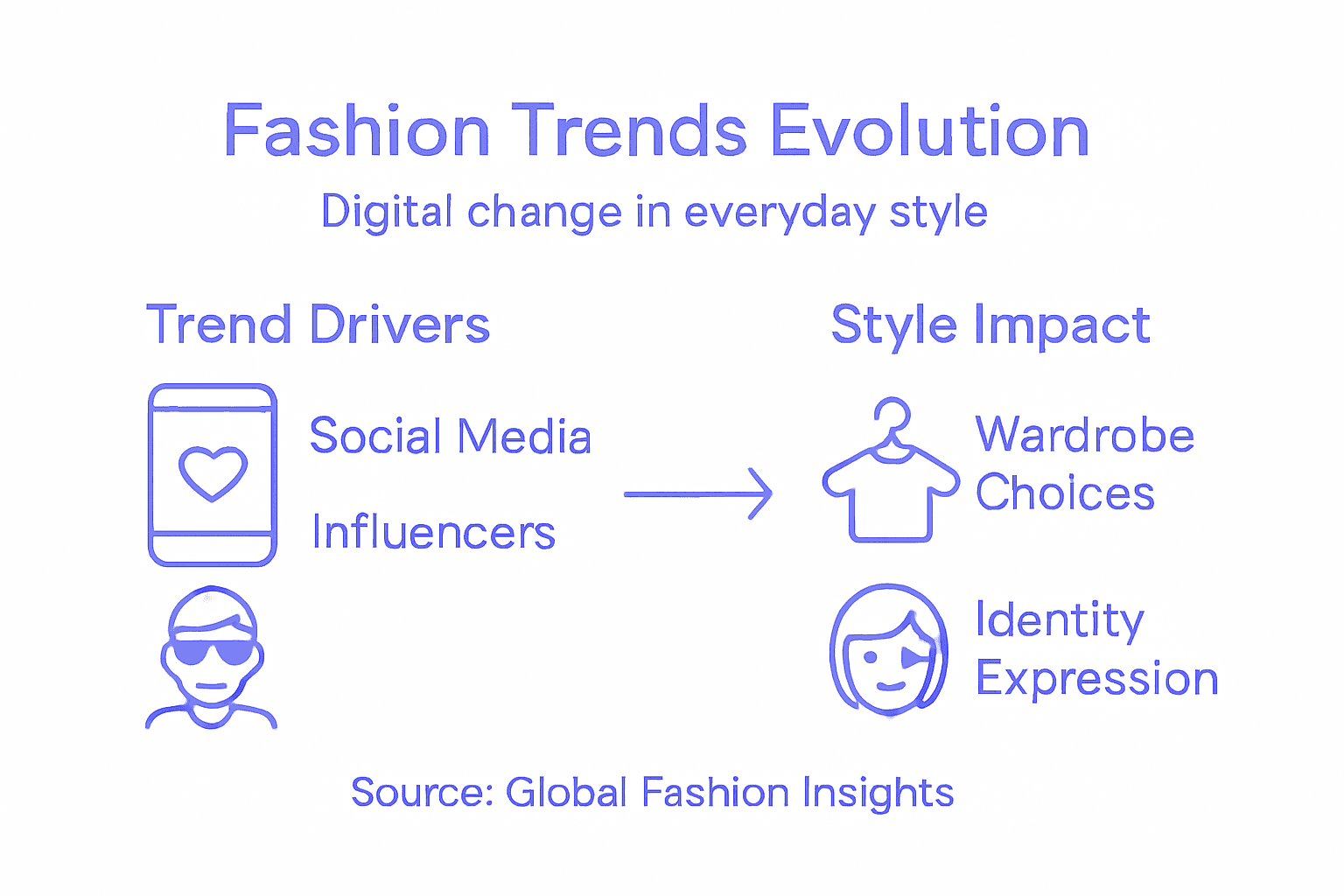
Modern fashion trends are increasingly characterized by rapid transformation, driven by digital platforms, global connectivity, and accelerated communication channels. Consumers now participate actively in trend creation, blurring traditional boundaries between designers and wearers. This democratization means trends emerge organically through collective engagement rather than top-down dictation.
Pro tip: Stay curious and observant about fashion trends by following diverse global influencers and understanding the stories behind different styles.
How Trends Emerge and Spread Globally
Fashion trends represent complex phenomena that emerge through intricate global networks of communication, creativity, and cultural exchange. Global trend diffusion mechanisms reveal how styles transform from niche expressions to widespread cultural movements across diverse social landscapes.
The emergence of fashion trends involves multiple interconnected channels:
- Influencer networks amplifying design concepts
- Social media platforms accelerating trend visibility
- Cultural exchange programs bridging international design perspectives
- Digital communication technologies enabling rapid trend transmission
- Subcultural innovations challenging mainstream aesthetics
Modern trend propagation is fundamentally different from historical models. Media and technological advancements have democratized fashion creation, allowing individual consumers to become active trend generators rather than passive recipients. This shift means trends now emerge organically through collective engagement, blurring traditional boundaries between designers, brands, and consumers.
Understanding global trend emergence requires recognizing the complex interplay between technological infrastructure, cultural dynamics, and individual creativity. Trends are no longer top-down directives but collaborative narratives that reflect evolving societal values, technological capabilities, and collective imagination.
Here’s a comparison of historical and modern fashion trend spread:
| Trend Spread Aspect | Historical Era | Modern Digital Era |
|---|---|---|
| Pace of Adoption | Slow, gradual | Instant, global |
| Key Initiators | Designers, magazines | Influencers, consumers |
| Communication Channels | Print, word-of-mouth | Social media, apps |
| Consumer Role | Passive recipient | Active participant |
Pro tip: Follow diverse international fashion platforms and engage with multicultural design communities to understand emerging global style movements.
Role of Media and Influencers in Trends
Media and influencers have transformed from passive trend reporters to active creators of global fashion narratives. Digital platforms revolutionize trend transmission, enabling unprecedented speed and reach in fashion communication across generations and geographic boundaries.
Key characteristics of modern media-driven trend dynamics include:
- Instant visual communication through social platforms
- Real-time trend replication across global networks
- Personalized style recommendations powered by algorithmic insights
- Democratized content creation enabling individual voices
- Cross-cultural style exchanges transcending traditional boundaries
Social media impact on fashion consumption reveals how influencers have become powerful intermediaries between designers and consumers. These digital tastemakers don’t just showcase trends - they actively shape consumer perceptions, interpret emerging styles, and create immersive narrative experiences around fashion choices.
Today’s influencers represent complex networks of cultural translators. They leverage algorithmic visibility, personal authenticity, and strategic storytelling to transform niche design concepts into mainstream aesthetic movements. Their power lies not just in visual representation, but in creating emotional connections that make fashion feel personal and accessible.
Pro tip: Diversify your fashion inspiration by following influencers from different cultural backgrounds and aesthetic perspectives.
Trends Versus Personal Style Choices
Fashion trend dynamics reveal a nuanced relationship between market-driven trends and individual expression. Style is no longer about blindly following predetermined fashion directives, but strategically interpreting trends through a personal lens.
Key considerations in balancing trends with personal style include:
- Selective trend adoption based on individual aesthetic
- Understanding personal body type and comfort
- Maintaining authentic self-expression
- Filtering trends through personal values
- Creating signature style variations
Trend negotiation as social communication demonstrates how individuals strategically use fashion to signal identity and belonging. Modern style enthusiasts don’t simply consume trends - they curate them, transforming external influences into personalized statements that reflect complex individual narratives.
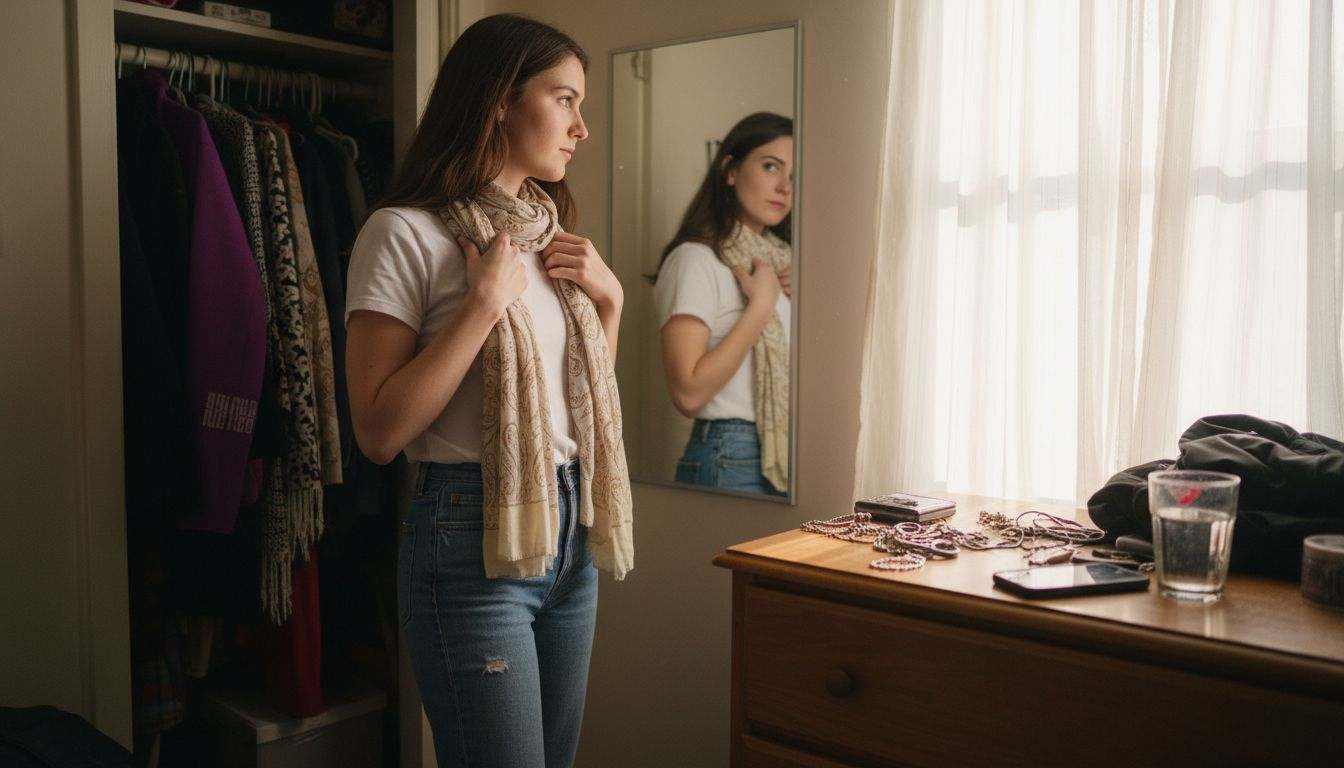
Successful style integration requires a balanced approach. Trends provide inspiration, but personal style emerges from understanding one’s unique aesthetic, body shape, cultural background, and individual comfort. The most compelling fashion statements are those that seamlessly blend current trends with authentic personal expression.
Pro tip: Experiment with trends by incorporating small, affordable pieces that complement your existing wardrobe and personal aesthetic.
Risks of Fast Fashion and Trend Chasing
Fast fashion’s complex business model exposes critical challenges in contemporary clothing consumption. The rapid production and disposal cycle creates profound environmental, economic, and social consequences that extend far beyond individual purchasing decisions.
Key risks associated with fast fashion and trend chasing include:
- Massive textile waste generation
- Unsustainable carbon emissions
- Exploitative labor practices
- Resource-intensive manufacturing processes
- Psychological pressure of constant style changes
Environmental and social implications reveal how trend chasing undermines sustainable fashion ecosystems. Consumers become trapped in a cycle of continuous purchasing, driven by algorithmic recommendations and social media influences that prioritize short-term aesthetic gratification over long-term environmental responsibility.
The most significant danger lies in the psychological and economic manipulation inherent in fast fashion strategies. By creating an illusion of constant newness, brands encourage consumers to view clothing as disposable, thereby generating continuous demand while simultaneously eroding the value of individual garments and personal style.
This summary outlines the risks of fast fashion versus sustainable alternatives:
| Risk Area | Fast Fashion Impact | Sustainable Fashion Impact |
|---|---|---|
| Environmental | High waste, high emissions | Low waste, lower emissions |
| Economic | Exploitative labor costs | Fair wages, ethical sourcing |
| Psychological | Pressure to buy constantly | Emphasis on mindful consumption |
| Longevity | Short-lived garments | Durable, timeless clothing choices |
Pro tip: Invest in timeless, versatile pieces that transcend temporary trends and can be styled multiple ways.
Embrace Trend-Inspired Style That Truly Reflects You
Navigating the fast-changing world of fashion trends can be overwhelming. The article highlights challenges like the pressure of constant trend chasing and the importance of balancing personal style with fleeting fashions. At the heart of these issues lies a desire to express authentic identity while staying current without falling into the trap of unsustainable fast fashion cycles.
Discover versatile, trend-conscious pieces that complement your unique look without compromising your values. At Lot27.shop, we understand that fashion is a personal narrative so we curate collections focused on casual, everyday apparel that lets you blend style with comfort and authenticity. Whether you want to explore the latest T-shirts, hoodies, or denim jeans, our offerings empower you to selectively adopt trends that resonate with your individual expression.
Take control of your wardrobe and make mindful style choices today.
Ready to refresh your look with fashion that works for you not against you Explore the latest collections now at Lot27.shop and find pieces designed to help you stay stylish, sustainable, and true to yourself. Start your trend-savvy journey with Lot27.shop today.
Frequently Asked Questions
What are fashion trends and why do they matter?
Fashion trends are evolving styles that reflect cultural shifts and individual expressions. They convey societal values, technological advancements, and personal narratives, influencing everyday fashion choices.
How do fashion trends spread in today’s digital age?
Fashion trends spread rapidly through social media, influencer networks, and digital communication technologies, allowing them to reach a global audience quickly and efficiently, transforming niche designs into mainstream movements.
How can I balance fashion trends with my personal style?
To balance trends with personal style, selectively adopt trends that align with your aesthetic, understand your body type, and maintain authentic self-expression by customizing trends to fit your individual values and preferences.
What are the risks associated with fast fashion and trend chasing?
The risks include environmental degradation from massive textile waste, exploitative labor practices, and psychological pressure to constantly update your wardrobe. Sustainable fashion alternatives offer a more responsible approach to consumption.