

Fashion Retail Trends 2026: The Digital Shift
Searching for the next big thing in fashion can feel like scrolling endlessly through a sea of similar styles, only to crave something truly personal. Trends are changing fast as retailers combine digital innovation with eco-friendly values, answering the demands of a new generation that wants both style and substance. This guide uncovers bold shifts like AI-powered personalization, sustainable denim, and modern store experiences, giving you an insider’s look at how brands will shape casual wear and authentic shopping for 2026.
Table of Contents
- Fashion Retail Trends Defined And Debunked
- AI-Driven Personalization And Virtual Shopping
- Rise Of Sustainable Denim And Classic Casuals
- Smaller Store Formats And Hybrid Experiences
- Intentional Shoppers And Evolving Brand Loyalty
- Risks Of Creative Saturation And Identity Loss
Key Takeaways
| Point | Details |
|---|---|
| Technological Innovation is Essential | Retailers must invest in AI and omnichannel strategies to create personalized and engaging shopping experiences. |
| Sustainability is a Core Priority | Integrating eco-friendly practices and transparency into brand strategies is crucial for attracting today’s conscious consumers. |
| Evolving Consumer Expectations | Brands should focus on building emotional connections through authenticity and personalized interactions to foster loyalty. |
| Preserving Unique Brand Identity | To stand out in a crowded market, brands must prioritize human creativity and storytelling amid the rise of AI-driven content. |
Fashion retail trends defined and debunked
The fashion retail landscape is experiencing unprecedented transformation, driven by technological innovation and shifting consumer expectations. As we approach 2026, retailers are navigating a complex ecosystem where digital capabilities and personalized experiences reign supreme. Technological acceleration is fundamentally reshaping traditional retail strategies.
Key trends emerging in fashion retail include:
- AI-Powered Personalization: Advanced algorithms analyzing consumer behavior to create hyper-targeted shopping experiences
- Sustainability Integration: Eco-conscious practices becoming a core brand strategy, not just a marketing add-on
- Social Commerce: Direct purchasing through social media platforms, blurring lines between content and commerce
- Omnichannel Strategies: Seamless integration between online and offline shopping experiences
The most significant shift is happening among younger consumers, particularly Gen Z and Gen Alpha, who demand more than just products. They seek immersive digital interactions that feel authentic and personalized. Predictive technologies are driving brand engagement by creating more responsive and dynamic retail ecosystems.
Here’s a comparison of how key fashion retail trends impact retailers and consumers:
| Trend | Benefit for Retailers | Value for Consumers |
|---|---|---|
| AI Personalization | Drives higher sales and loyalty | Creates curated shopping experiences |
| Sustainability | Enhances brand legitimacy | Offers eco-friendly options, transparency |
| Social Commerce | Opens new sales channels | Enables buying via social platforms |
| Omnichannel | Increases customer engagement | Ensures seamless, flexible shopping |
Debunking Retail Myths
Contrary to popular belief, digital transformation doesn’t mean the death of physical stores. Instead, brick-and-mortar locations are evolving into experiential spaces that complement online shopping. Successful retailers are creating fluid, interconnected experiences that move seamlessly between digital and physical touchpoints.
Pro tip:Invest in technologies that create personalized, seamless shopping experiences across all channels to stay competitive in the rapidly evolving fashion retail market.
AI-driven personalization and virtual shopping
Artificial intelligence is revolutionizing the fashion retail experience, transforming how consumers discover and interact with products. AI-powered personalization systems are creating unprecedented levels of customer engagement by delivering hyper-targeted recommendations that feel remarkably intuitive.
Key components of AI-driven personalization include:
- Behavioral Analysis: Tracking browsing patterns, purchase history, and interaction data
- Predictive Recommendations: Generating product suggestions based on individual preferences
- Dynamic Pricing: Adjusting prices in real-time based on demand and customer segments
- Emotion-Aware Algorithms: Detecting subtle consumer sentiment and shopping motivations
Advanced personalization technologies are reshaping the digital shopping landscape by creating immersive and individualized experiences. Young consumers, particularly Gen Z, expect retail interactions that feel tailored, authentic, and seamlessly responsive to their unique needs.
Virtual Shopping Experience Evolution
Traditional online shopping is being replaced by intelligent, interactive platforms that simulate in-store experiences. Virtual fitting rooms, AI-powered style consultants, and augmented reality interfaces are breaking down barriers between digital and physical retail environments.
AI personalization isn’t just about selling products—it’s about creating meaningful connections with consumers.
Pro tip:Implement progressive profiling strategies that collect consumer data ethically and transparently to build trust while enhancing personalization capabilities.
Rise of sustainable denim and classic casuals
Sustainable denim innovations are transforming the fashion landscape, reflecting a critical shift in consumer expectations and environmental responsibility. The denim industry is experiencing a profound transformation, moving beyond traditional manufacturing to embrace eco-friendly practices that address global sustainability challenges.
Key developments in sustainable denim include:
- Regenerated Fibers: Using recycled materials to create high-quality denim
- Transparent Supply Chains: Implementing blockchain technologies for product traceability
- Low-Impact Manufacturing: Reducing water consumption and chemical usage
- Circular Design: Creating clothing with end-of-life recyclability in mind
Blockchain certification technologies are revolutionizing how consumers understand and verify the environmental impact of their clothing. Young shoppers are increasingly demanding transparency, with eco-labels and digital traceability becoming critical factors in purchasing decisions.
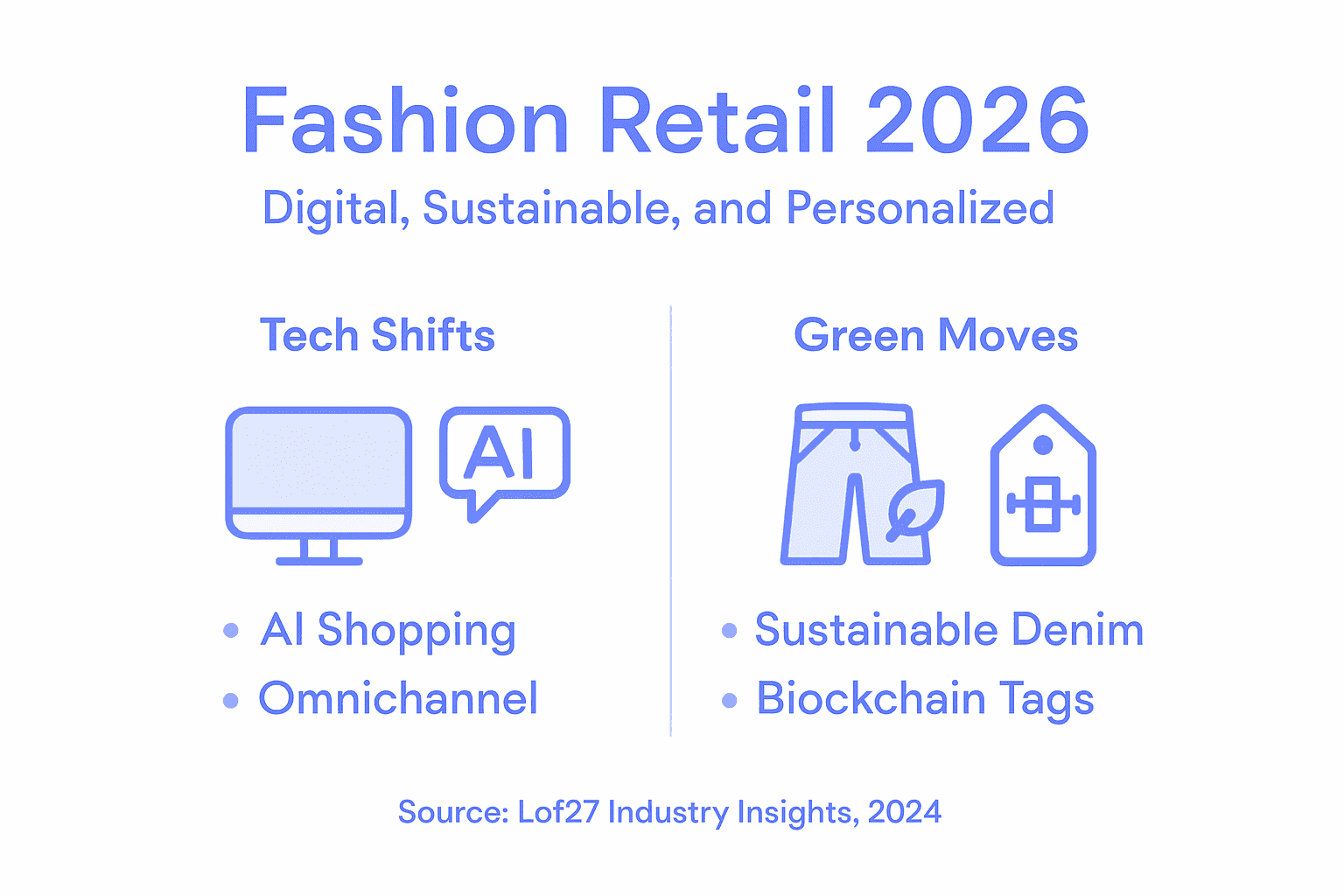
Classic Casuals: Timeless Meets Sustainable
The rise of sustainable denim doesn’t mean compromising on style. Classic casual designs are being reimagined through an eco-conscious lens, combining timeless silhouettes with innovative, environmentally responsible production techniques.
Sustainable fashion isn’t a trend—it’s the future of responsible consumption.
Pro tip:Invest in versatile, high-quality denim pieces that offer both style and environmental credibility, focusing on brands with transparent sustainability practices.
Smaller store formats and hybrid experiences
Retail store formats are undergoing radical transformation, shifting from traditional large spaces to more agile, purpose-driven environments. The emergence of microstores and pop-up concepts represents a strategic response to changing consumer behaviors and technological advancements in shopping experiences.
Key characteristics of modern retail spaces include:
- Compact Footprints: Reducing square footage while maximizing operational efficiency
- Integrated Digital Experiences: Blending physical and online shopping capabilities
- Localized Inventory: Curating merchandise specific to regional consumer preferences
- Flexible Fulfillment: Supporting multiple purchase and delivery options
Compact retail strategies are revolutionizing customer engagement models, creating intimate shopping environments that prioritize personalized interactions over traditional transaction-based approaches. These innovative formats leverage data analytics to deliver highly targeted, experience-driven retail encounters.
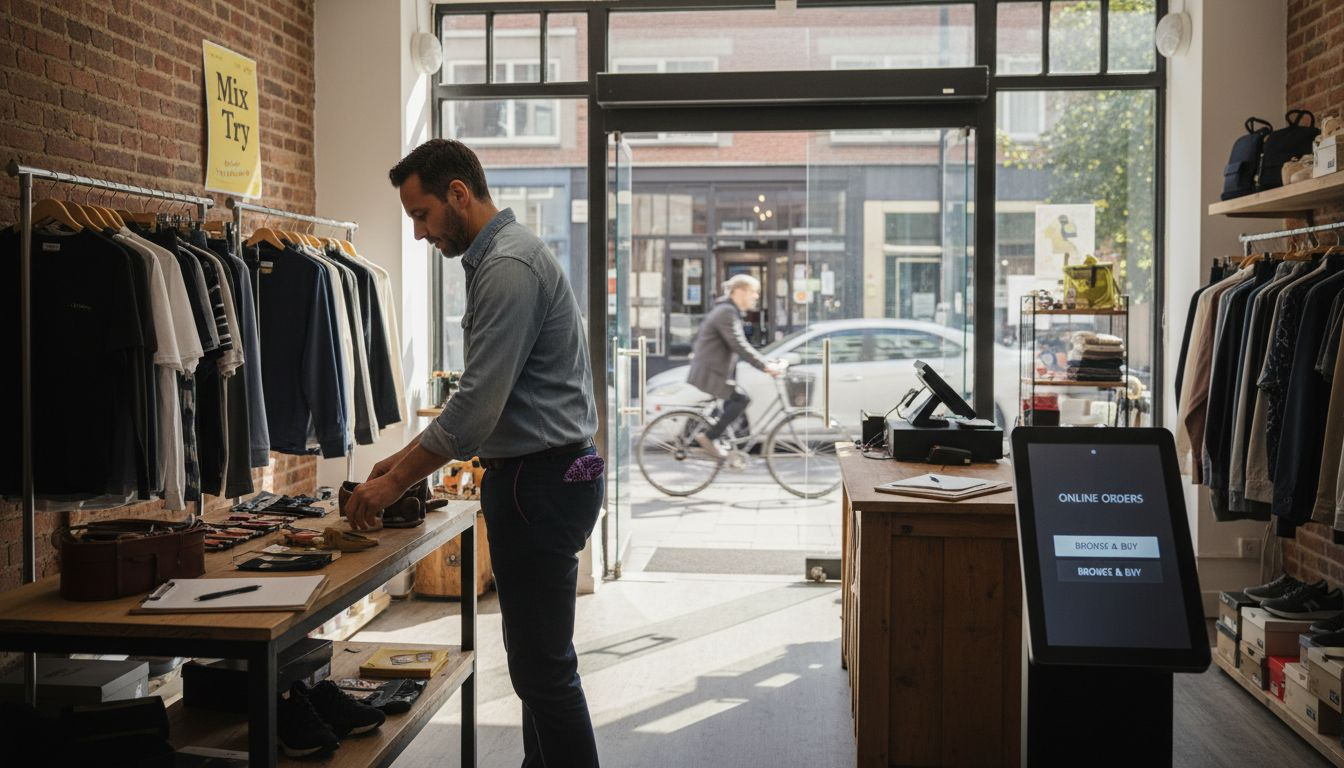
Hybrid Shopping: Beyond Traditional Boundaries
The future of retail lies in seamless integration between digital and physical realms. Modern stores are transforming into dynamic spaces that serve multiple functions - part showroom, part fulfillment center, and part interactive brand experience.
Retail isn’t about selling products anymore—it’s about creating memorable consumer journeys.
Pro tip:Design retail spaces that offer multiple engagement touchpoints, combining digital interactivity with curated physical experiences to meet evolving consumer expectations.
Intentional shoppers and evolving brand loyalty
Consumer spending patterns are undergoing significant transformation, reflecting a more deliberate and value-driven approach to retail engagement. In 2026, shoppers are no longer passive consumers but strategic decision-makers who carefully evaluate brands based on authenticity, transparency, and meaningful connection.
Key characteristics of intentional shopping include:
- Value-Driven Purchases: Prioritizing quality and purpose over impulse buying
- Ethical Consumption: Supporting brands with clear social and environmental commitments
- Personalized Experiences: Expecting tailored interactions and recommendations
- Transparent Brand Communication: Demanding genuine, unfiltered information
Fashion loyalty strategies are evolving to create deeper emotional connections with consumers. Brands are moving beyond transactional relationships, developing multi-dimensional loyalty programs that offer exclusive rewards, personalized messaging, and post-purchase engagement.
The New Consumer-Brand Relationship
Here’s how intentional shoppers influence modern loyalty strategies:
| Shopper Expectation | Brand Response | Loyalty Result |
|---|---|---|
| Demand authenticity | Transparent messaging | Builds lasting trust |
| Prioritize ethics | Social/environment focus | Increases emotional connection |
| Seek personalization | Tailored rewards, outreach | Fosters brand advocacy |
Modern shoppers view their purchasing decisions as reflections of personal values. They seek brands that align with their worldview, offering not just products but meaningful experiences that resonate with their individual identities and aspirations.
Trust is the new currency in retail—earned through consistency, transparency, and genuine connection.
Pro tip:Develop a loyalty strategy that goes beyond discounts, focusing on creating genuine, personalized connections that make customers feel truly understood and valued.
Risks of creative saturation and identity loss
Fashion retail’s creative landscape is facing unprecedented challenges as technological advances threaten to homogenize brand identities. The proliferation of generative AI and hyper-personalization technologies is creating a potential crisis of originality, where brands risk becoming indistinguishable from one another.
Key risks in the creative ecosystem include:
- Content Uniformity: Algorithmic design leading to repetitive visual styles
- AI-Generated Similarity: Reduced human creativity and unique brand voices
- Algorithmic Imitation: Automated design tools producing near-identical concepts
- Global Design Convergence: Diminishing regional and cultural design distinctions
Market volatility intensifies creative challenges by threatening brand differentiation. Retailers must navigate a complex landscape where technological efficiency can inadvertently suppress authentic creative expression.
Preserving Brand Identity in the Digital Age
Successful brands will distinguish themselves by prioritizing human storytelling, authentic narratives, and meaningful community engagement. The key is balancing technological innovation with genuine creative vision that transcends algorithmic limitations.
Creativity cannot be automated—it requires human emotion, cultural context, and genuine inspiration.
Pro tip:Invest in human-led creative processes that leverage AI as a tool, not a replacement, ensuring your brand maintains a unique and authentic voice.
Embrace the Future of Fashion Retail with Lot27
Navigating the digital shift in fashion retail means meeting the demand for personalized, seamless, and authentic shopping experiences. As the article highlights, AI personalization, omnichannel strategies, and sustainability are not just trends but essential elements for staying competitive and engaging the modern, intentional shopper. At Lot27, we understand these challenges and offer a curated selection of stylish, eco-conscious apparel that fits your lifestyle and values.
Explore our Mens Clothing Streetwear Collection and Womens Clothing Streetwear Collection featuring versatile denim, comfortable hoodies, and timeless casual wear that reflect the future of sustainable fashion.
Start your journey with Lot27 today to experience fashion that adapts to your needs and supports your values. Visit our homepage now to discover apparel designed for intentional shoppers like you who expect more than just clothes but meaningful style choices that keep pace with the evolving retail landscape.
Frequently Asked Questions
What are the key fashion retail trends expected in 2026?
The key fashion retail trends for 2026 include AI-powered personalization, sustainability integration, social commerce, and omnichannel strategies that enhance both online and offline shopping experiences.
How is AI influencing fashion retail personalization?
AI influences fashion retail personalization by analyzing consumer behavior to provide hyper-targeted shopping experiences, utilizing techniques such as behavioral analysis, predictive recommendations, and emotion-aware algorithms.
What role does sustainability play in modern fashion retail?
Sustainability plays a crucial role in modern fashion retail by becoming a core brand strategy focused on eco-friendly practices, transparent supply chains, and responsibly produced materials like sustainable denim.
What are the characteristics of intentional shoppers in today’s market?
Intentional shoppers today prioritize value-driven purchases, ethical consumption, personalized experiences, and transparent brand communication, leading to deeper emotional connections with brands.
Recommended
- Denim Styles Explained: Fresh Looks for 2026 – Lot27
- Top 10 Seven27wear.com Alternatives in 2026 for Trendy Casual Wear – Lot27
- 7 Types of Denim Jeans Every Trendy Shopper Should Know – Lot27
- Clothes That Work as Hard as You Do – Lot27
- Streetwear Trends 2026: Bold Identity, Smart Style – ELEDOasis
- Digital Marketing in Fashion – Driving Global Trends – Smoked Times
- Streetwear Trends 2026 – Why Sustainability Matters – MEXESS